




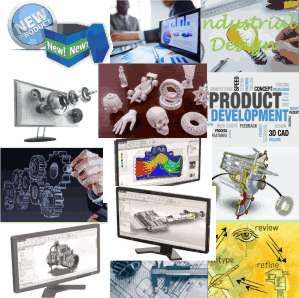
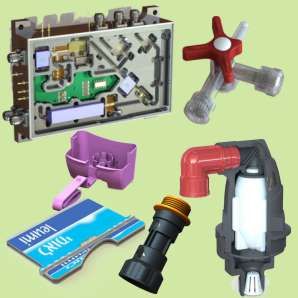
Customers are a good starting point. Look at what they want from a new or improved product. Some businesses like to think in terms of a ‘unique selling proposition’ (USP) – a clear reason why customers should switch to your product.
Prepare a product specification (spec) listing what features your product must have, and how they translate into specific requirements. For example, a product might need to be strong but also lightweight. You will also want to specify other constraints: for example, whether the product needs to match other products in your range or to meet specific legal requirements.
The design phase uses this spec to design the product. Effective design is wide-ranging. As well as fulfilling the product spec, it includes considering how component and processing costs can be minimized.
As the design progresses, you may have one or more pre-launch stages when you test the product. For example, you might develop a prototype or you might launch a pilot version of the product to a few customers to help iron out problems and build demand. Some products need to be submitted for product testing and certification.
Finally, you have the launch and roll-out of the product.

Leave A Comment